
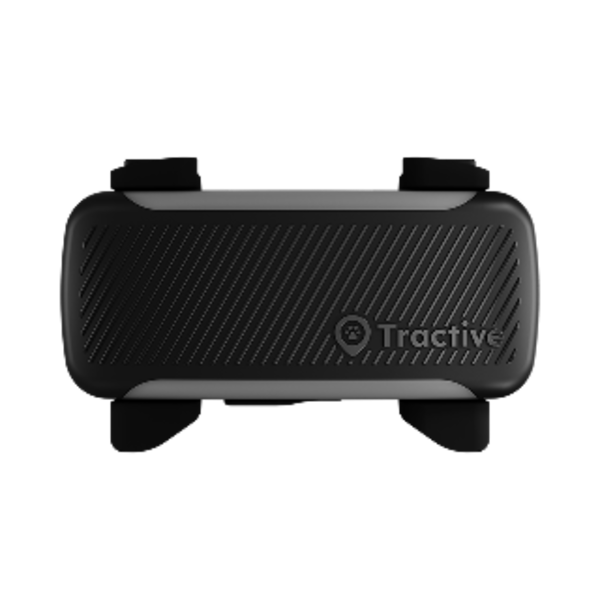
Tractive DOG 6, Fi Series 3+, and Petcube GPS Tracker all provide cellular dog location tracking, but they make different compromises in attachment, battery strategy, service ecosystem, and the amount of health data wrapped around the map.
This comparison focuses on Fi Series 3+, the integrated collar model that most directly matches The Vital Pup’s existing Fi review. Fi’s 2026 lineup also includes Mini and Ultra, so buyers should check the latest Fi range if another form factor better fits the dog.
Quick comparison
| Feature | Tractive DOG 6 | Fi Series 3+ | Petcube GPS Tracker |
|---|---|---|---|
| Form | Clip-on/attachable tracker | Tracker integrated into Fi collar | Compact tracker in silicone collar/harness case |
| Weight | 39 g | Fi support lists 47 g | 29 g |
| Headline battery | Up to 14 days with Power Saving Zones | Up to 3 months under low/home-heavy use | Up to 30 days with Power Save Zone |
| Subscription | Required | Membership required for connected tracking features | Required |
| Distinctive strength | Dedicated tracker ecosystem + broad live/health features | Clean integrated-collar design + very long low-use battery potential | Light 29 g hardware + Petcube ecosystem |
Tractive DOG 6: the dedicated tracker approach
DOG 6 is a compact 39 g tracker rated by Tractive for dogs from 4 kg / 8.8 lb. It emphasizes frequent Live Tracking, virtual fences, location history, activity/sleep, and health/behavior trends. Its up-to-14-day battery claim assumes use of Power Saving Zones, so emergency Live Tracking should be treated as a higher-drain mode.
The advantage of a dedicated clip-on device is flexibility: the owner can keep a preferred collar and move the tracker between compatible setups. The disadvantage is another attachment point that must remain secure.
Fi Series 3+: the collar and tracker are one system
Fi Series 3+ integrates the tracking hardware into a complete collar. That produces a cleaner everyday setup and removes the look of a separate puck hanging from a collar. Fi advertises up to three months of battery life, but its support documentation provides more realistic ranges by activity: low/home-heavy use can approach the maximum, moderate use may be around 4–6 weeks, and high outdoor use can fall toward roughly two weeks.
Fi’s own support also says Lost Mode is much more battery intensive. That is exactly why buyers should not compare “3 months” directly with “14 days” without reading the operating conditions.
Petcube: the smallest hardware of these three
Petcube weighs 29 g and uses a flexible glow-in-the-dark silicone case. It provides live location, virtual fences, history, activity data, LED, and a buzzer. The advertised up-to-30-day battery figure is specifically tied to Power Save Zone use.
Petcube is attractive to someone who already uses Petcube cameras or wants one app ecosystem for several pet-tech devices. Its current product page, however, contains conflicting IP67/IP68 wording, so buyers who care about immersion resistance should get a current clarification from Petcube.
Which battery claim is “best”?
None can be ranked fairly from the headline alone. Fi’s maximum is much larger, but Fi itself shows how activity can reduce it. Tractive and Petcube also lean on Wi-Fi/power-saving zones. The better question is how many days each tracker lasts in your dog’s pattern: hours at home, walks per day, hiking, live-tracking frequency, and cellular signal.
Which is best for escape recovery?
All three are designed for cellular recovery and geofence alerts. Tractive is the most explicitly tracker-centric product family; Fi integrates recovery into a collar ecosystem; Petcube offers a compact device with light/buzzer support. Whichever is chosen, test the home boundary before an emergency and keep the device charged above a conservative threshold.
Which is best for health/activity trends?
Tractive and Fi both invest heavily in behavior and health-style trends, while Petcube provides activity/wellness metrics as well. None should be used to diagnose disease. If a wearable flags a sustained change in breathing, sleep, licking, scratching, activity, or appetite, verify it by observing the dog and involve a veterinarian as appropriate.
Which would The Vital Pup choose for each owner?
- Choose Tractive DOG 6 if you want a mature dedicated tracker, frequent live-location tools, and a removable device that works with your existing collar.
- Choose Fi Series 3+ if you like an integrated smart-collar design and your dog spends enough time in low-power conditions to benefit from Fi’s battery strategy.
- Choose Petcube if compact 29 g hardware and the Petcube ecosystem matter more than having the deepest tracker-specific product family.
Bottom line
There is no responsible universal winner without knowing the dog’s size, country, mobile coverage, activity, preferred collar, and the owner’s tolerance for subscription cost. Compare the plan first, then fit and battery behavior, then secondary health features. The tracker that is charged and comfortable enough to stay on the dog every day is more useful than the one with the most impressive feature table.
Questions readers ask
Which tracker has the longest advertised battery life?
Fi Series 3+ advertises up to three months, but Fi’s own support shows much shorter ranges for more active outdoor use. Tractive and Petcube also quote maximums tied to power-saving conditions.
Which is the lightest?
Among these specific models, Petcube lists 29 g, Tractive DOG 6 lists 39 g, and Fi support lists Series 3+ at 47 g.
Do all three require a paid plan?
Their cellular connected-tracking functionality is built around paid service/membership. Check current pricing and country availability before buying.
Why compare Fi Series 3+ instead of Fi Mini or Ultra?
Series 3+ is Fi’s integrated smart-collar design and most directly matches the existing Vital Pup Fi review. Fi’s 2026 lineup also includes Mini and Ultra, which serve different form factors.