

Affiliate disclosure: This guide may contain affiliate links. We may earn a commission from qualifying purchases.
Older dogs often need a sleeping surface that cushions pressure points while remaining easy to enter and leave. The best choice depends on the dog’s weight, sleeping position, mobility, temperature preference, continence, and chewing behavior.
What “orthopedic” should mean in practice
The word orthopedic is not enough by itself. Compare the foam type, thickness, density information when available, edge support, and whether the bed bottoms out under the dog’s heaviest areas. Large dogs usually need more depth than small dogs.
Accessibility matters
A low open side may be easier than a full ring of bolsters for a dog with weak hips. Measure the step-over height and watch how the dog currently gets into bed. A raised edge can support the head, but it should not create a barrier.
Cleaning and moisture protection
Look for a removable washable cover and confirm whether the foam has a separate waterproof or water-resistant liner. Replacement covers can extend the useful life of an expensive bed.
How to compare candidates
- Measure the dog fully stretched.
- Compare the usable sleeping area, not only outside dimensions.
- Check return, warranty, and replacement-cover terms.
- Avoid claiming a bed treats arthritis or pain.
Discuss new pain, stiffness, or difficulty rising with a veterinarian. A supportive bed can improve comfort, but it does not diagnose or treat the underlying condition.
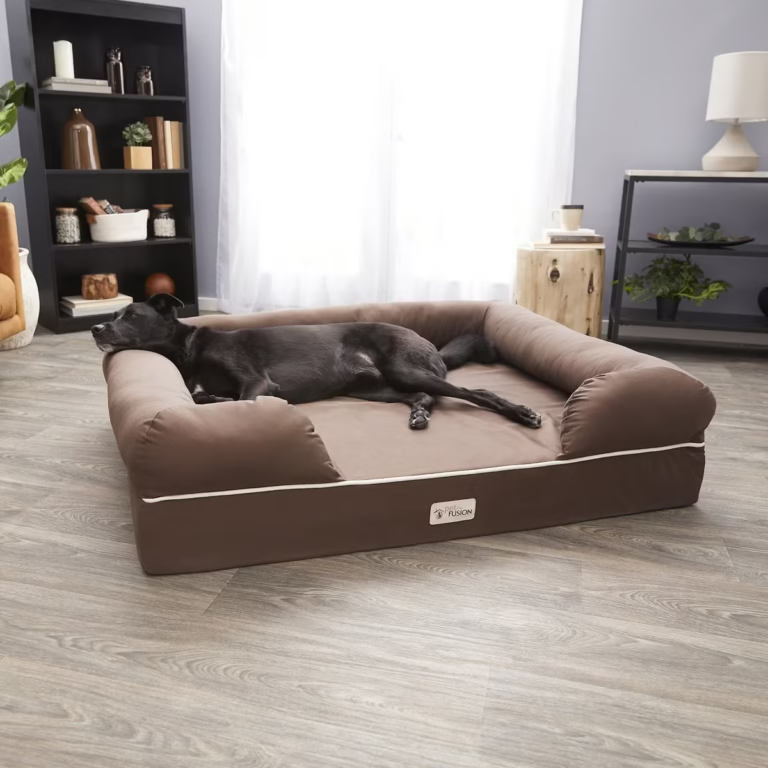
PetFusion Ultimate Dog Bed & Lounge
PetFusion Ultimate is a conventional but well-executed orthopedic lounge: a solid foam base with three bolsters and a washable outer…
Best for: Dogs that like memory-foam support plus bolsters for leaning or head support
Read the review →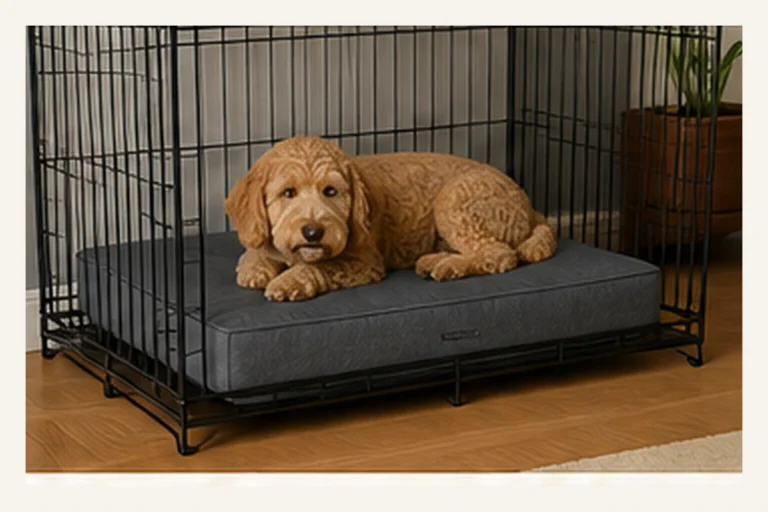
Barker Beds OrthoLift Crate Bed
A 4-inch orthopedic foam bed sized to fit standard crate trays, designed to cushion a dog from hard metal or…
Best for: Dogs that rest in crates and need more cushioning than a thin crate pad
Read the review →
Barker Beds Junior Orthopedic Dog Bed
A 4-inch orthopedic bed line for dogs up to 50 pounds, available in Headrest and Sofa editions with several sizes…
Best for: Small and medium dogs up to 50 pounds whose owners want a substantial foam bed with a raised edge
Read the review →
Barker Beds Fold-N-Go Travel Dog Bed
A folding orthopedic foam travel bed designed for cars, road trips, camping, vet visits and other situations where a full-size…
Best for: Dogs that travel often and owners who want more support than a thin portable mat
Read the review →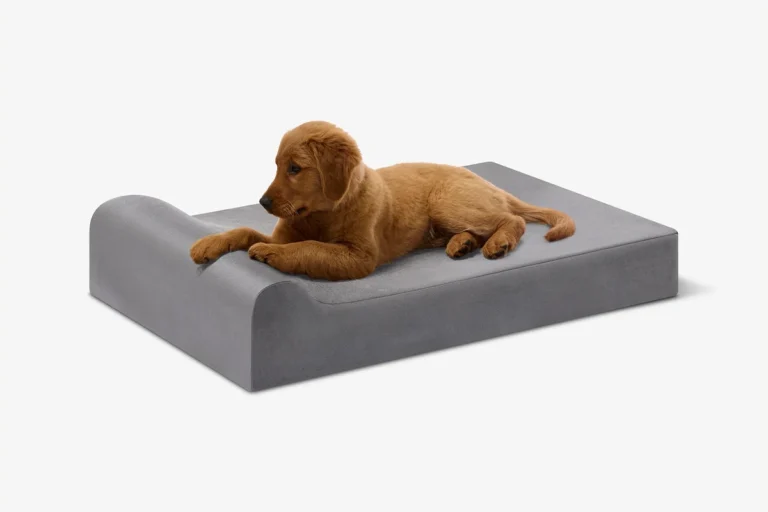
Barker Beds Puppy Bundle
A puppy-focused package that combines a Junior Orthopedic Headrest Bed with two washable covers and a waterproof liner.
Best for: Owners preparing for a growing puppy who value a spare washable cover and waterproof foam protection
Read the review →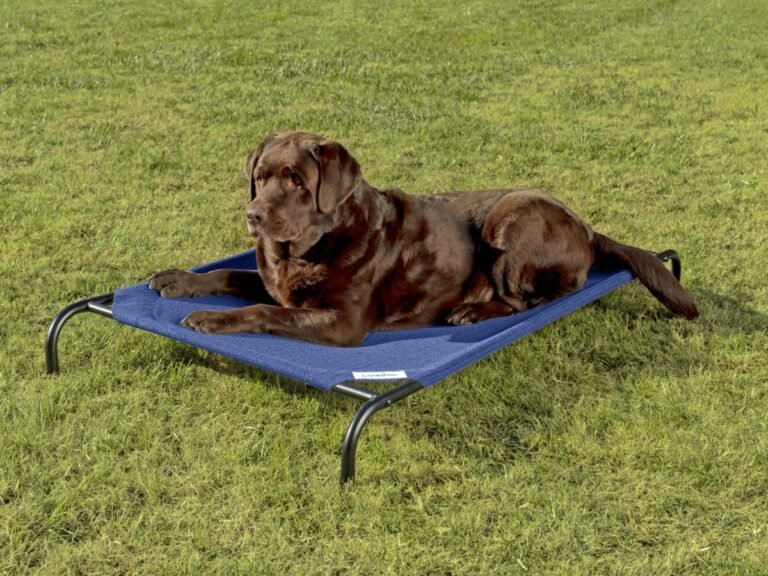
Coolaroo Original Elevated Dog Bed
Coolaroo’s Original Elevated Bed is about airflow, cleanability and getting the dog off the ground—not plushness. It is particularly useful…
Best for: Dogs needing an airy raised resting surface indoors, on patios or while camping
Read the review →
Big Barker Original Orthopedic Dog Bed
Big Barker is a serious bed for owners who want thick support rather than a thin memory-foam pad. The price…
Best for: Medium-to-large and senior dogs that need a deep, supportive foam bed and owners willing to pay for long-term construction
Read the review →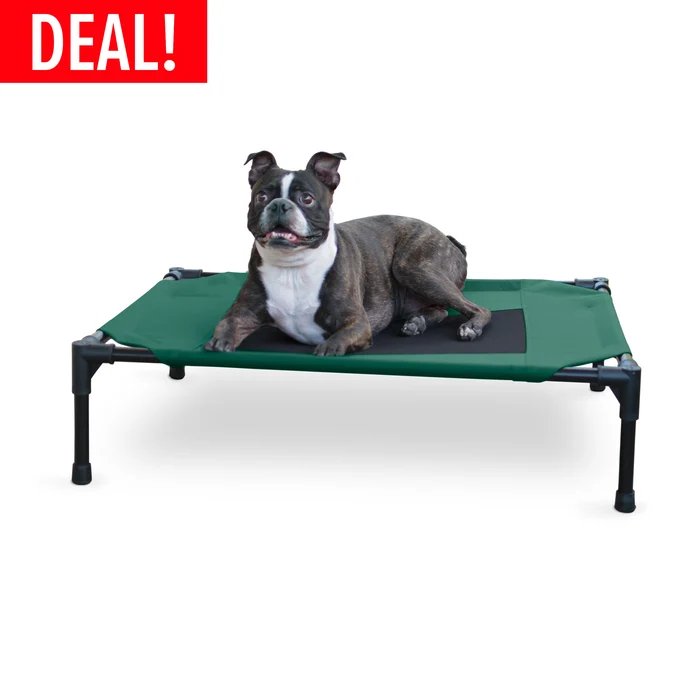
K&H Original Pet Cot
A simple elevated sleeping platform that improves airflow and keeps a dog off hot, cold, or damp floors.
Best for: Warm climates, patios, travel, and dogs that prefer elevation
Read the review →Questions readers ask
How thick should an orthopedic dog bed be?
Thickness alone does not determine support. Compare foam type, firmness, dog weight, usable dimensions and whether the base compresses to the floor.
Are bolsters good for every senior dog?
Bolsters can support the head and back, but a high edge can obstruct dogs with limited mobility.
When should a veterinarian help choose a bed?
Seek guidance for pain, pressure sores, recovery, incontinence or significant mobility loss.