
How to Measure a Dog for a Harness
A step-by-step harness sizing and fit guide for safer everyday walks.
Read guide →Harnesses, leashes, reward tools, and training equipment selected for fit, control, and humane use.
Related reading: explore Travel & Safety and read ASPCA guidance on professional behavior help.
 Category preview
Walking equipment should fit the individual dog and the activity. A harness can distribute contact differently from a collar, but shape, adjustment range and leash position determine whether it stays stable and avoids rubbing. This collection compares everyday harness designs and explains the measurements and training steps that matter after purchase.
No piece of equipment automatically teaches loose-leash walking. Check the dog’s rib-cage measurement, shoulder movement, escape risk and the intended activity. Recheck fit after the first walks and whenever body weight, coat length or equipment adjustment changes.
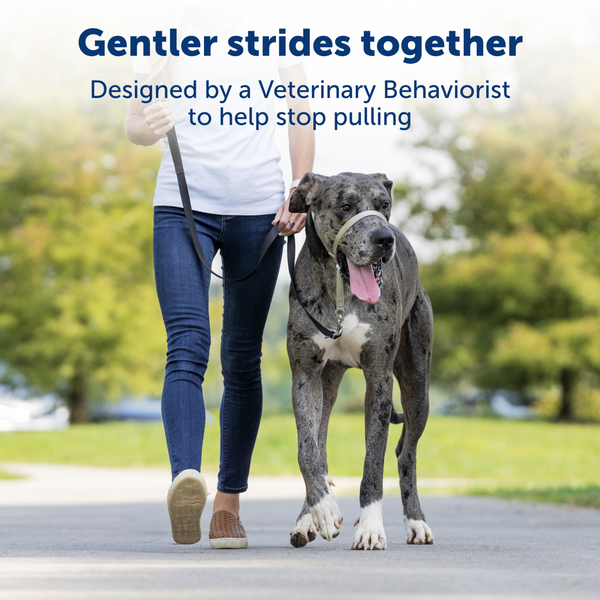
Gentle Leader can give a handler much more leverage over a determined puller, but it is not a set-and-forget collar.…
Best for: Strong pullers whose owners want a head-guidance tool and are prepared to fit and condition it carefully
Read the review →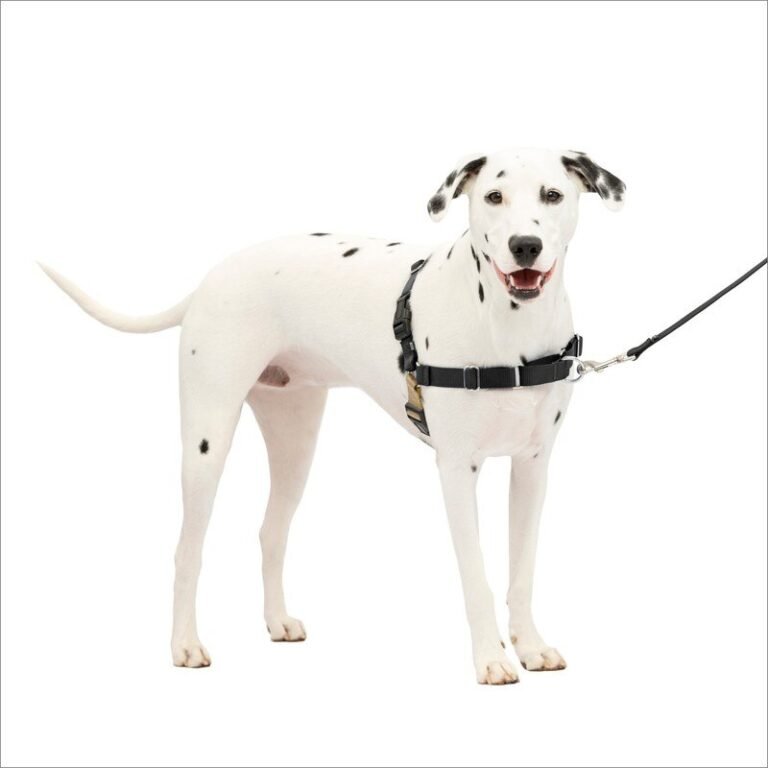
A lightweight front-clip harness intended to reduce forward pulling leverage while owners reinforce better leash habits.
Best for: Owners working on calmer everyday leash walking
Read the review →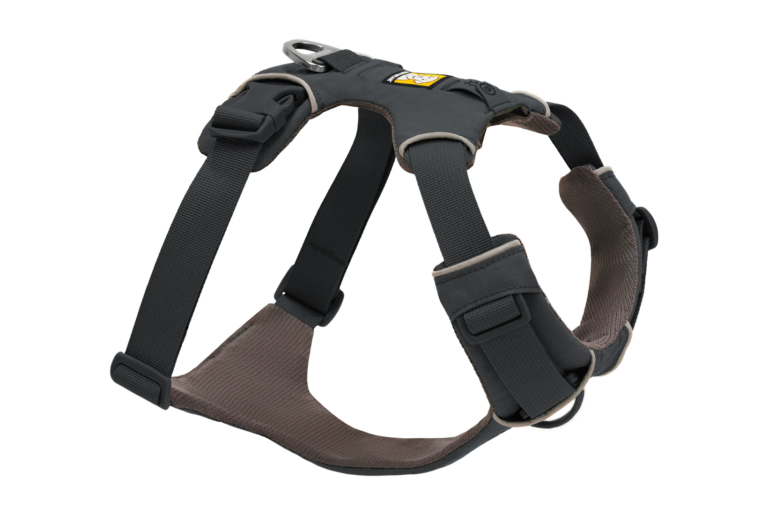
A polished everyday harness with padding, adjustment, and two leash-attachment choices for walks and general adventures.
Best for: Everyday walks, light hikes, and owners wanting two leash points
Read the review →
A step-by-step harness sizing and fit guide for safer everyday walks.
Read guide →It should remain stable without restricting breathing or movement. Follow the current fitting instructions and recheck while the dog walks.
It may improve redirection, but reward-based training and management remain necessary.
Replace it when webbing, stitching, buckles or attachment points are damaged or when the dog can no longer achieve a secure fit.
We compare fit, safety, maintenance, recurring costs and who may need a different product. Exact prices and listings can change, so buying links open the current retailer result.