
PetSafe Easy Walk No-Pull Harness
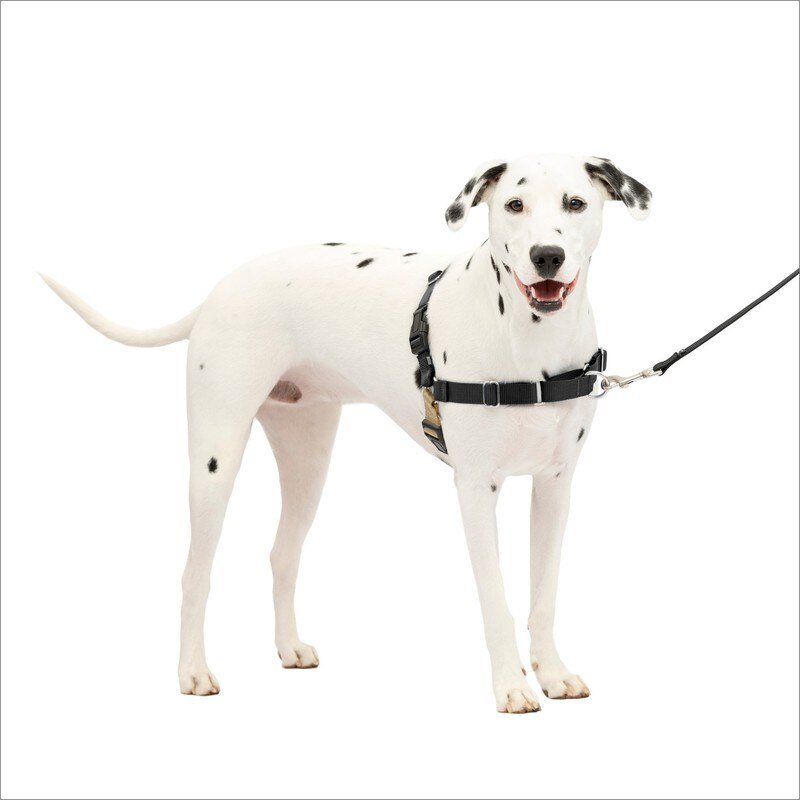
PetSafe
A lightweight front-clip harness intended to reduce forward pulling leverage while owners reinforce better leash habits.
What we like
- Front chest leash attachment
- Lightweight design
- Widely available sizing
- Useful as a training aid
What to consider
- Fit requires careful adjustment
- Can chafe or rotate if incorrectly fitted
Product snapshot
| Type | Front-clip training harness |
|---|---|
| Use | Supervised walks |
| Fit | Horizontal chest strap; follow current guide |
| Storage | Remove after walks |
What makes the Easy Walk different?
The leash attaches at the chest rather than the back. When the dog surges forward, that position can turn the body toward the handler instead of allowing the dog to lean directly into the harness.
Fitting is the main challenge
Identify the differently colored belly strap, place the chest strap horizontally, and adjust each point using the current PetSafe instructions. A loose harness may rotate, while an overly tight strap can rub. Recheck the fit as a puppy grows or a dog’s weight changes.
Use alongside training
Reward the dog for walking near you and for checking in voluntarily. Avoid constant tension. This is walking equipment, not a tie-out, seat-belt replacement, or garment for unsupervised wear.
Who should compare alternatives?
Dogs with unusual proportions, sensitive skin, or intense lunging may need a more padded design or help from a qualified trainer. Stop use if you notice restricted movement, coughing, skin irritation, or repeated attempts to escape.
PetSafe Easy Walk No-Pull Harness FAQs
How should the Easy Walk chest strap sit?
The front strap should sit across the breastbone rather than the throat, with the martingale loop centred. Follow the current fitting instructions and recheck after movement.
Will it stop pulling immediately?
The front attachment can make redirection easier, but it is not a substitute for reward-based walking practice and appropriate management around triggers.
What body shapes may need another design?
Dogs that slip out, experience rubbing, or cannot achieve a stable chest-strap position may need a different harness shape or an additional safety connection.
Research transparency
Research-based editorial review using the linked manufacturer or retailer reference. Product specifications, seller details, prices, and availability can change; confirm the exact current listing before purchase.
Last fact-check date: 2026-08-01
View the manufacturer research source
We do not claim hands-on testing unless the page identifies the tester, pet, test period, method, and original evidence.
Community experience