
Dog Ramp Angle and Training Guide
A practical ramp setup and training checklist for senior and mobility-limited dogs.
Read guide →Support equipment for older, recovering, or mobility-limited dogs, used with professional guidance when needed.
Related reading: explore Sleep & Beds and read AAHA senior-care guidelines for dogs and cats.
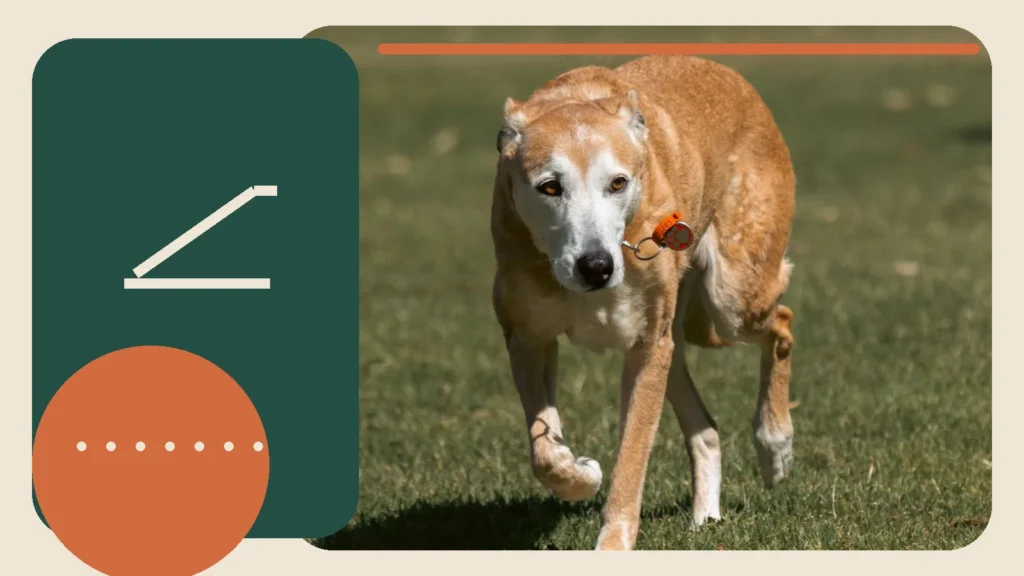 Category preview
Mobility products can help a dog move with greater control, but the correct choice depends on the medical condition, strength, body proportions and environment. Ramps reduce jumping, while full-body harnesses can provide front and rear assistance. Neither should be used without checking pressure points, traction and the dog’s response.
Work with a veterinarian or rehabilitation professional for recovery, pain, weakness or neurological problems. Introduce equipment gradually and reassess it as mobility changes. A product that fit last month may need adjustment after weight loss, coat change or progression of illness.
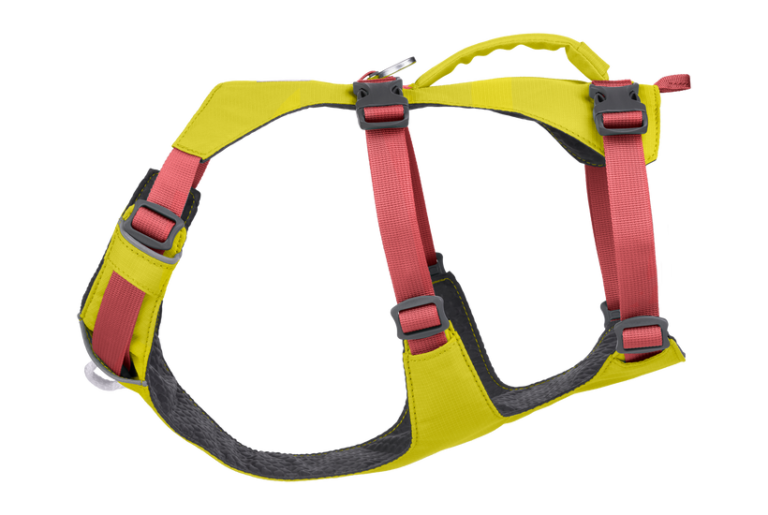
Flagline works particularly well when a dog mostly walks normally but occasionally needs a boost over stairs, into vehicles or…
Best for: Dogs that need occasional lift assistance on stairs, vehicles or rough terrain without wearing a bulky full-support sling
Read the review →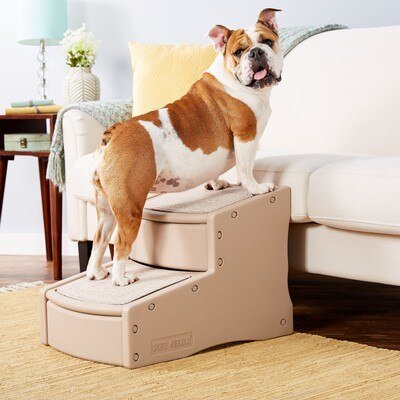
Easy Step II is better than narrow pet stairs for animals that need their whole body supported on each step.…
Best for: Small, senior or mobility-limited pets needing a wider two-step route onto furniture
Read the review →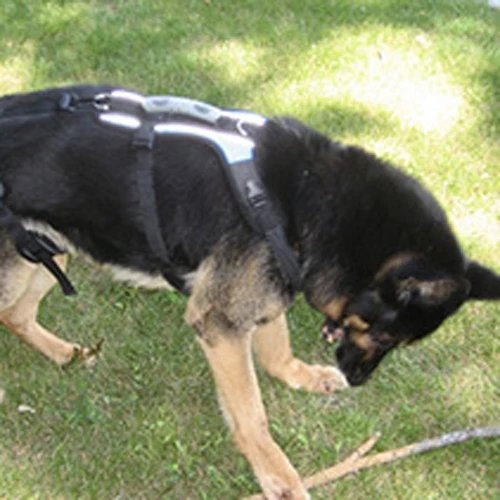
A full-body support harness designed to help caregivers assist dogs with balance, rising, stairs, toileting, and vehicle access.
Best for: Dogs needing controlled front, rear, or full-body assistance
Read the review →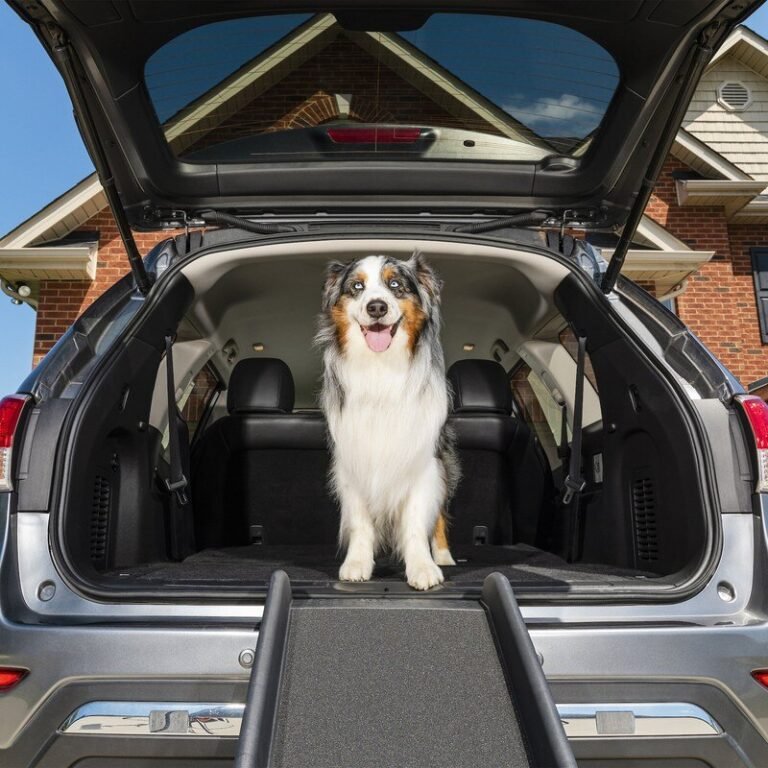
A portable folding ramp that can reduce repeated jumping into a vehicle when the angle, traction, and load rating are…
Best for: Dogs needing help entering compatible cars and SUVs
Read the review →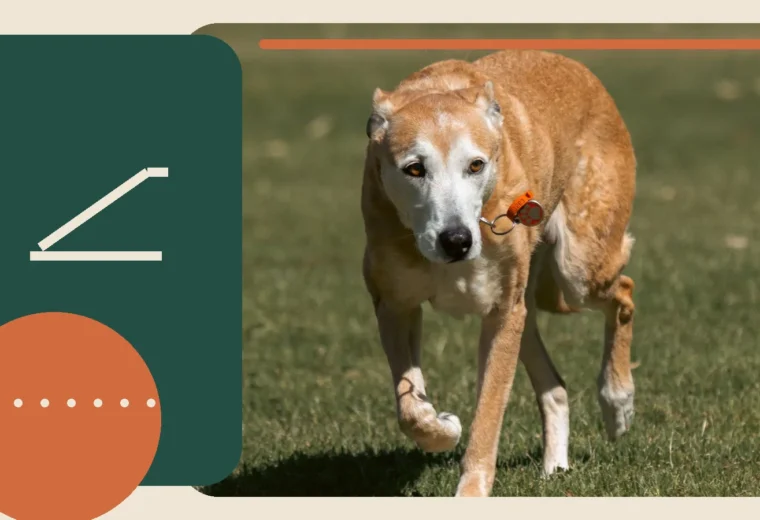
A practical ramp setup and training checklist for senior and mobility-limited dogs.
Read guide →
A practical framework for comparing supportive dog beds for aging pets without relying on marketing labels alone.
Read guide →Follow current manufacturer and professional guidance and check skin, toileting access and comfort frequently.
A longer, shallower angle is often easier, but the correct setup depends on the dog and professional advice.
Pain, weakness, falls, dragging limbs, sudden decline or post-operative recovery should be assessed professionally.
We compare fit, safety, maintenance, recurring costs and who may need a different product. Exact prices and listings can change, so buying links open the current retailer result.